


-

Add: HeBei ShengShi HongBang Cellulose Technology CO.,LTD.
-

Email
13180486930@163.com -

CONTACT US
+86 13180486930
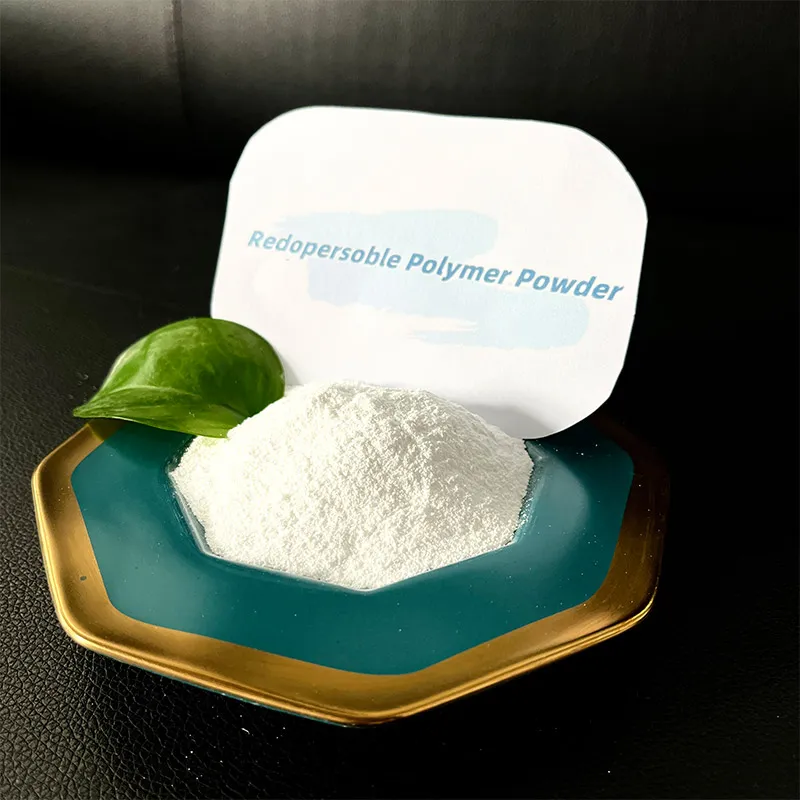


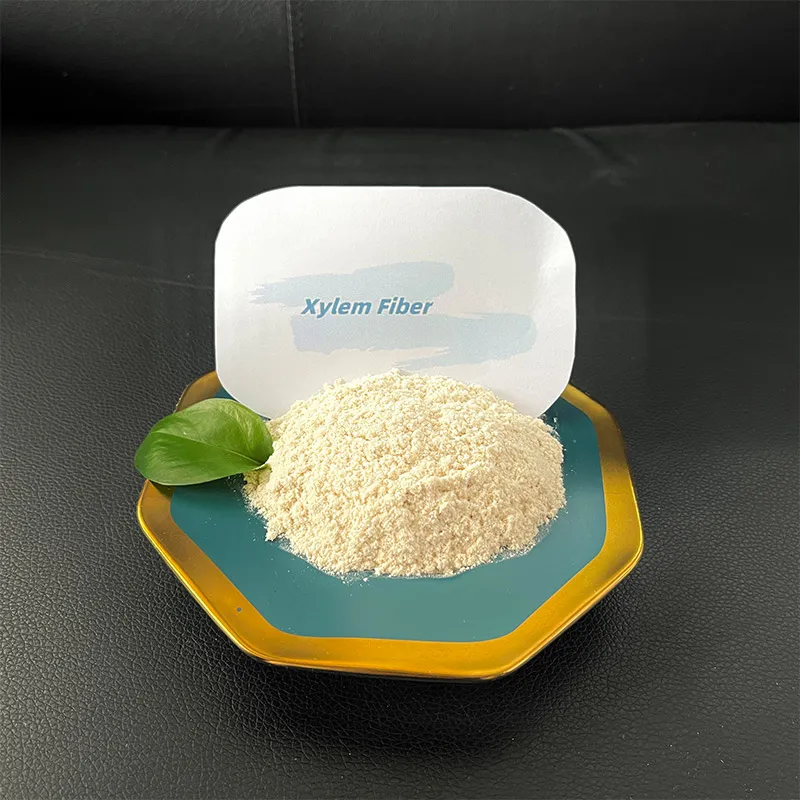


Xylem fiber , a naturally occurring, renewable material sourced from wood, has emerged as a cornerstone in the global shift toward sustainable manufacturing. Derived from the fibrous tissues of trees, this organic flocculent material undergoes advanced chemical and mechanical treatments to enhance its properties for industrial applications. As industries increasingly prioritize environmental responsibility, wood cellulose and cellulose wood fibers like xylem fiber are redefining traditional practices in construction, road infrastructure, and beyond. This article explores the unique features, technical specifications, and real-world applications of xylem fiber, while highlighting the role of HeBei ShengShi HongBang Cellulose Technology CO.,LTD. , the company behind this innovative solution. Core Features of Xylem Fiber Xylem fiber is distinguished by its fibre made from wood pulp composition, which combines natural strength with biodegradability. The material is processed through cellulose extraction from wood techniques, resulting in a product that balances durability and environmental compatibility. Key features include: Eco-Friendly Composition: Xylem fiber is entirely biodegradable, reducing reliance on synthetic materials and minimizing landfill waste. High Strength-to-Weight Ratio: The fiber’s structural integrity enhances the performance of composite materials without adding excessive weight. Moisture Absorption: Its absorbent properties make it ideal for applications requiring liquid retention, such as wood cellulose sponges. Thermal Stability: Xylem fiber maintains its properties under varying temperature conditions, ensuring reliability in diverse environments. Advantages in Industrial Applications The versatility of cellulose wood fibers has led to their adoption in multiple sectors. Below are key advantages and use cases: Construction Sector Xylem fiber is a game-changer in concrete and gypsum production. By incorporating xylem fiber into concrete mixes, engineers can improve compressive strength and durability while reducing the need for traditional aggregates like sand and gravel. According to the National Institute of Standards and Technology (NIST) , sustainable materials like xylem fiber are critical for reducing the carbon footprint of construction projects. Similarly, in gypsum products, xylem fiber enhances workability and structural integrity, making it a preferred choice for drywall and insulation panels. Asphalt Industry In road construction, xylem fiber acts as a reinforcing agent , improving the resilience of asphalt. This application extends the lifespan of roads and reduces maintenance costs. The material’s ability to absorb stress and distribute load evenly makes it an ideal solution for high-traffic areas. Medium Density Fiberboard (MDF) Xylem fiber is a primary ingredient in MDF production, where it contributes to the material’s sturdiness and smooth finish. This makes it a popular choice for furniture and interior design, offering a sustainable alternative to particleboard. Household and Industrial Products The fiber’s absorbent nature is leveraged in the manufacturing of wood pulp sponges , which are biodegradable and safe for household use. Additionally, its cellulose extraction from wood properties make it suitable for packaging materials, reducing plastic dependency. Technical Specifications Table Parameter Specification Material Source Wood pulp (Xylem tissue) Cellulose Content 70-85% (varies by processing) Moisture Absorption Up to 150% of its weight Thermal Stability Resists degradation up to 200°C Biodegradability Completely biodegradable in 6-12 months Application Concrete, asphalt, MDF, sponges, packaging Company Background: HeBei ShengShi HongBang Cellulose Technology CO.,LTD. As a leader in sustainable material innovation, HeBei ShengShi HongBang Cellulose Technology CO.,LTD. has dedicated itself to advancing the use of wood cellulose and cellulose wood fibers . The company’s commitment to eco-friendly practices is reflected in its state-of-the-art processing facilities, which ensure minimal environmental impact during cellulose extraction from wood . With a focus on research and development, HeBei ShengShi HongBang has partnered with industry experts to optimize xylem fiber’s performance for global markets. The company’s products are exported to over 30 countries, with a strong presence in Asia, Europe, and North America. By aligning with international sustainability standards, HeBei ShengShi HongBang has positioned itself as a trusted supplier of renewable resources. Its transparent supply chain and adherence to quality control protocols further reinforce its reputation in the industry. Environmental and Economic Impact The adoption of xylem fiber contributes to responsible forestry practices , as the material is sourced from sustainably managed forests. According to NIST, the integration of renewable resources like xylem fiber can reduce greenhouse gas emissions by up to 40% compared to conventional materials. This aligns with global efforts to combat climate change and promote circular economies. From an economic standpoint, xylem fiber offers cost-effective solutions for manufacturers. Its ability to replace expensive synthetic additives while maintaining product quality makes it a viable option for businesses seeking to reduce costs without compromising performance. Additionally, the material’s biodegradability reduces waste management expenses, further enhancing its appeal. Future Prospects and Innovations As industries continue to prioritize sustainability, the potential of xylem fiber is expected to expand. Researchers are exploring advanced applications, such as biodegradable plastics and composite materials for aerospace and automotive sectors. HeBei ShengShi HongBang is actively involved in these developments, investing in R&D to unlock new possibilities for cellulose wood fibers . The company also emphasizes eco-friendly packaging solutions, which are gaining traction in response to growing consumer demand for sustainable products. By leveraging xylem fiber’s unique properties, HeBei ShengShi HongBang is poised to lead the next wave of innovation in green technology. Conclusion Xylem fiber represents a paradigm shift in material science, offering a sustainable alternative to traditional resources. Its multifunctional properties, combined with the expertise of HeBei ShengShi HongBang Cellulose Technology CO.,LTD. , make it a vital component in the transition toward eco-conscious manufacturing. As industries embrace renewable materials, xylem fiber will continue to play a pivotal role in shaping a greener future.
- 40000tons

Production
- 20+years

Experience
- 5000+㎡

Acreage

-
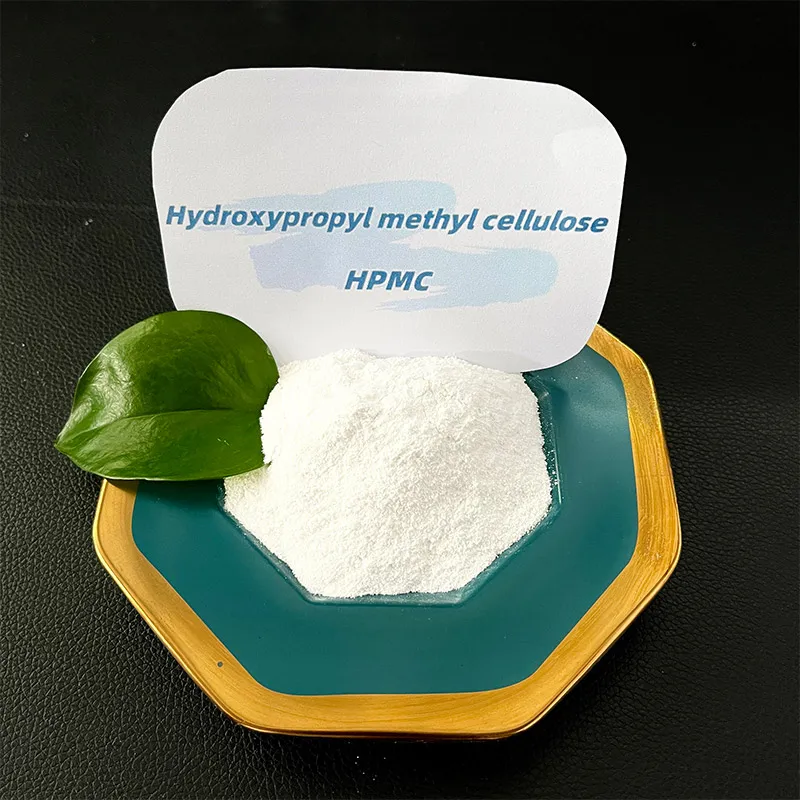
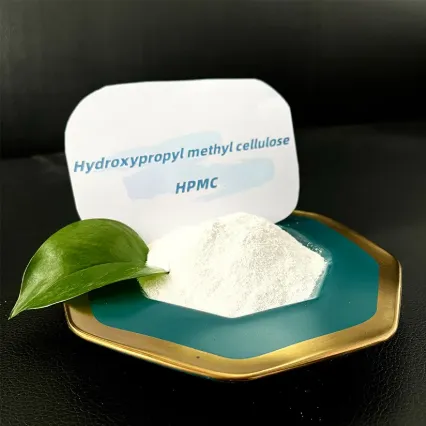
The increasing prevalence of digital device usage and environmental pollutants has led to a rise in eye discomfort, ushering a demand for innovative solutions in ocular health. One such solution garnering attention is the incorporation of Hydroxypropyl Methylcellulose (HPMC) in eye drops . Understanding the experience, expertise, authoritativeness, and trustworthiness associated with HPMC can offer insightful perspectives for consumers and professionals alike. HPMC, a semi-synthetic polymer, plays a crucial role in ocular therapy due to its lubricating and protective properties. It has become a cornerstone in combating symptoms of dry eyes, offering relief from irritation and enhancing comfort. Its efficacy is not based solely on its chemical composition; rather, the real-world experience of users is a testament to its benefits. Regular users report noticeable improvements in moisture retention and a significant reduction in dryness-related discomfort. This positive feedback loop not only establishes trust but also reinforces the credibility of HPMC as a reliable component in eye care products. The expertise surrounding HPMC is supported by a wealth of scientific research and clinical studies. Ophthalmologists and researchers have extensively explored the interaction between HPMC and ocular surfaces. The biocompatibility of HPMC allows it to mimic natural tear film, fostering a moist environment that is conducive to healing and comfort. Clinical trials have demonstrated that patients using HPMC-based eye drops exhibit improved tear stability, a crucial factor in alleviating dry eye symptoms. Such findings heighten professional confidence in prescribing HPMC-infused eye drops, thereby positioning them as a first-line defense in dry eye management. Authoritativeness in the context of HPMC is reflected in endorsements from major health organizations and ophthalmic associations. These endorsements are not arbitrary; they stem from rigorous evaluations and assessments of safety and effectiveness. Healthcare authorities recognize HPMC as a credible and beneficial agent in the formulation of artificial tears. This recognition provides consumers with assurance about the quality and safety of HPMC-based products, ensuring that users are making informed decisions about their ocular health. hpmc in eye drops Trustworthiness is perhaps the most critical component when considering any health-related product. Users of HPMC in eye drops consistently emphasize the consistent quality and safe usage of the product. The trust is further cemented by transparent manufacturing processes and adherence to stringent regulatory guidelines. Manufacturers prioritize safety, ensuring that HPMC eye drops are free from harmful additives and are produced under sterile conditions to prevent contamination. This dedication to safety enhances consumer confidence and loyalty, underpinning the long-term success and acceptance of HPMC in the market. Moreover, the user-centric approach adopted by many HPMC-based eye drop manufacturers contributes to their trustworthiness. Offering access to customer service and incorporating feedback for continuous improvement exemplifies commitment to consumer well-being. When users feel heard and see their feedback reflected in product enhancements, the relationship between consumer and brand becomes symbiotic, driving a cycle of trust and broader adoption. In summary, HPMC in eye drops epitomizes the intersection of experience, expertise, authoritativeness, and trustworthiness. It provides a scientifically backed, user-approved solution to the pervasive issue of dry eyes. Consumers can rely on the safety and efficacy of these products, professionals can confidently recommend them, and authoritative bodies can continue to advocate for their use. By delivering on its promises of relief and comfort, HPMC remains a significant player in the ever-evolving landscape of eye care solutions, ensuring its presence on digital platforms is not only necessary but pivotal for individuals seeking to enhance their ocular health.
-
Understanding Cellulose in Wood Cellulose is a vital organic polymer that plays a crucial role in the structural integrity of plants, particularly in wood. Found in the cell walls of plants, cellulose is the most abundant organic polymer on Earth, serving as a fundamental building block for plant structure and growth. This article explores the attributes of cellulose in wood, its function, and its significance in various applications. What is Cellulose? Cellulose is a polysaccharide composed of long chains of glucose units linked together by β-1,4-glycosidic bonds. This arrangement forms a rigid, linear structure that contributes to the tensile strength of plant cell walls. Cellulose molecules aggregate to form microfibrils, which bundle together to create fibers that provide support and rigidity to the plant. In wood, the cellulose content is a significant factor in determining the mechanical properties and durability of the timber. Role of Cellulose in Wood Structure In woody plants, cellulose works in concert with other polysaccharides, such as hemicellulose and lignin, to create a robust and resilient structure. Hemicellulose, which consists of shorter chains and various sugar monomers, acts as a filler that binds with cellulose fibers, while lignin provides additional strength and resistance to decay. The combination of these components contributes to the overall strength, flexibility, and resistance to environmental factors that wooden structures exhibit. Wood's cellulose content typically ranges between 40% to 50%, depending on the species and age of the tree. This high cellulose concentration is responsible for the characteristic properties of wood, including its ability to withstand tension and compression forces, making it an excellent building material. The Importance of Cellulose in Various Industries what is cellulose in wood Beyond its structural role in wood, cellulose has significant implications in various industries. In the paper and pulp industry, cellulose is extracted from wood using chemical processes to manufacture paper products. The purity and integrity of cellulose are critical for producing high-quality paper, which is used in everything from books to packaging materials. In addition, cellulose has garnered attention in sustainable practices and renewable resources. Biofuels made from cellulose, such as cellulosic ethanol, have emerged as an alternative to fossil fuels. These biofuels are derived from non-food plant materials, providing a sustainable energy source that can help reduce greenhouse gas emissions and reliance on non-renewable resources. Furthermore, cellulose is utilized in the textile industry to produce materials like rayon and lyocell. These fabrics, derived from processed cellulose, are known for their softness and absorbency, making them popular choices for clothing and home textiles. Research and Development in Cellulose Applications Ongoing research is focused on enhancing the efficiency of cellulose extraction processes and exploring new applications. Advances in biotechnology may lead to more sustainable methods of sourcing and processing cellulose, ultimately supporting a transition to greener practices across multiple sectors. Additionally, nanocellulose, a derivative of cellulose produced at the nanoscale, shows promise in various applications, including composites, coatings, and even biomedical materials. Its lightweight yet strong properties make it attractive for innovative uses that could transform industries ranging from packaging to electronics. Conclusion Cellulose in wood is a prime example of nature's ingenuity. Its robust structure not only supports the plant but also provides a plethora of opportunities for human applications. As we continue to explore its potential through research and innovation, cellulose remains at the forefront of sustainable development, bridging the gap between ecological responsibility and industrial advancement. Understanding the role of cellulose in wood is crucial for harnessing its benefits in a world increasingly focused on sustainability and renewable resources.
advantages
-

200000 Viscosities
Excellent product
We can produce pure products up to 200,000 viscosities
-

40000 tons
High yield
We don’t stop production all year round, and the annual output can reach 40,000 tons
-

24 hours
Quality service
We provide 24-hours online reception service, welcome to consult at any time
———— Inquiry Form
Schedule A services
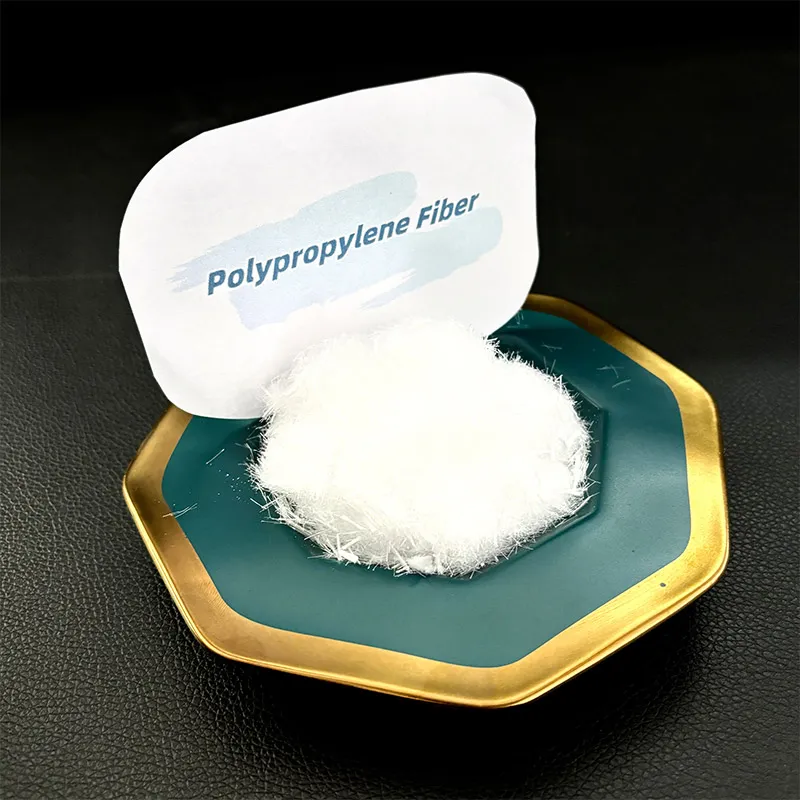
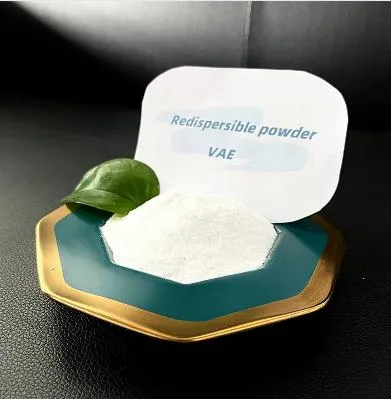
-
 is_cellulose_wood
Oct . 25, 2025
Redispersible emulsion powder (RDP), including redispersible latex powder , polymer powder , VAE red -
 polycaprolactone_powder
Oct . 25, 2025
Man-made synthetic fibers have revolutionized the textile industry by offering versatile, durable, a -
 isolasi_selulosa_kayu
Oct . 25, 2025
Hydroxypropyl methylcellulose (HPMC) , a versatile polymer traditionally used in pharmaceuticals and


